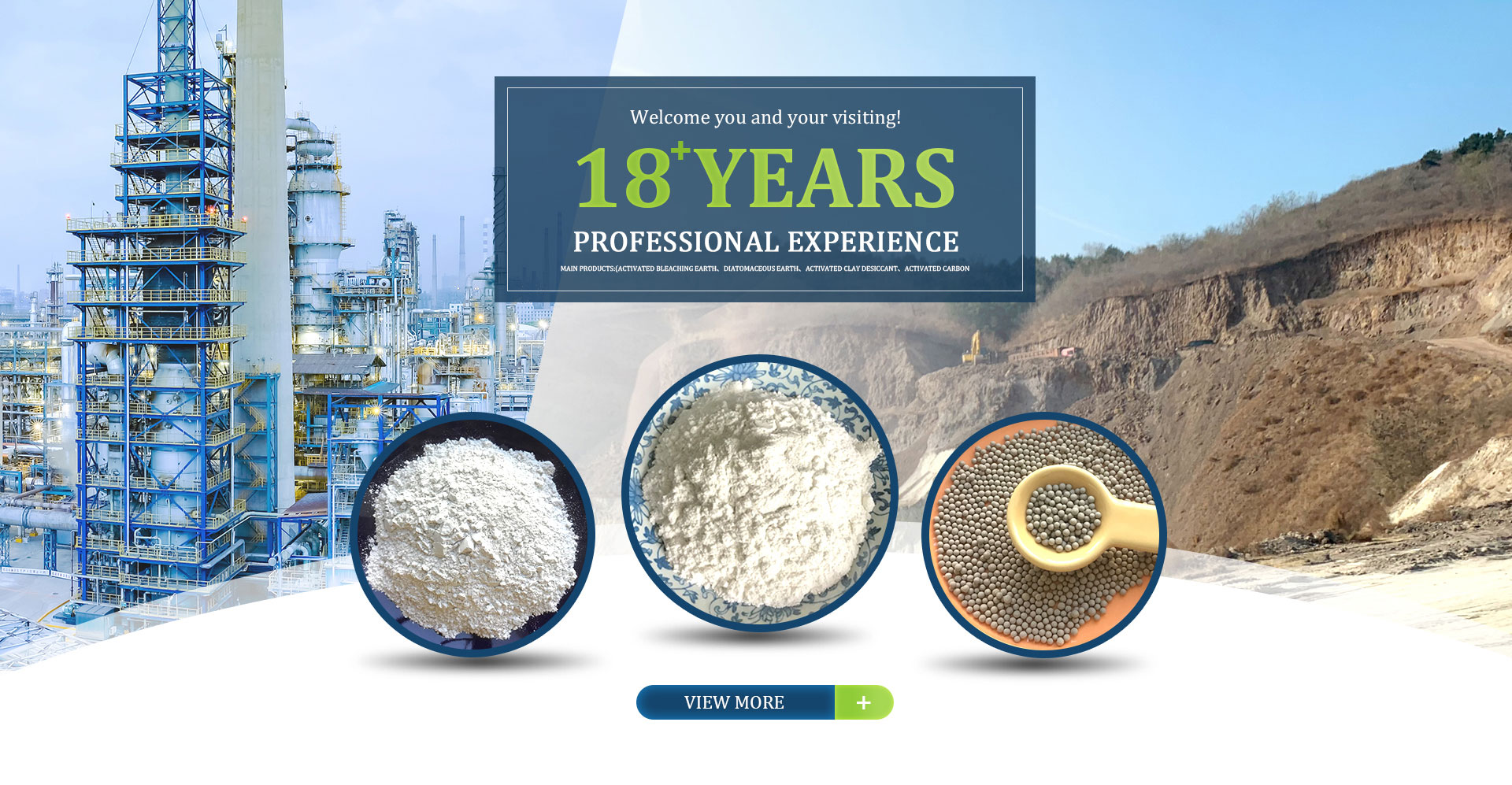
Openingthis filtering substance functions as premium substance generally implemented in various industrial processes, particularly within drink processing. Formed from the fossilized remains of paleontological algae, it shows a unique intricate network that permits advanced straining. Such substance acts by creating a translucent cleansing layer on a separation assembly, sequestering minute residues diatomaceous earth while supporting fluid transit. Picking the correct type of porous silica product is fundamental for optimal performance.
Capitalizing Siliceous Microfossils Residue for Clarification
Sedimentary residue, composed of the fossilized remains of microscopic algae called diatoms, presents a exclusive approach for cleansing various compounds. Its structure, a fine network of amorphous silica shells, provides an incredibly considerable surface area. This grants for highly optimal removal of impurities from liquids. Engagements range from hydrous filtration and beverage synthesis to water containment purification and even horticultural means. Virtues include its biological origin, affordability compared to multiple synthetic alternatives, and its capability to completely accumulate a varied selection of unwanted materials.
- Supplies superior material removal.
- Operates as a renewable choice.
- Appropriate for broad businesses.
Activated Bleaching Soil: Characteristics and Operations
Modified bleaching layer is a variety of natural kaolinite that has undergone specific conditioning to increase its binding capacity. This strategy typically involves biochemical treatment, resulting in a expanded architecture with a large coverage. Consequently, it exhibits superior aptitude to remove dyes from a multipurpose scope of composites, finding key tasks in the bleaching of hydrocarbons, tallow, and other biological components. In addition, its sustainable nature and economic value contribute to its progressing acceptance in various domains.
Contrasting Diatomite with Competing Filter Substances
Deciding on the supreme filtration substance for a specific process can be tough. While perlite and other options exist, diatomite commonly presents a potent case for its superiority. In contrast to these challengers, diatomite frequently offers amplified purity and a more significant pace of screening foreign elements. However, the most choice ultimately is based on elements such as budget, deployment requirements, and specified product grade.
The Theory of Diatomite Filtration
Siliceous microfossils or diatomite powder filtration processing leverages the unique remarkable structure of such microscopic minuscule algae fossils. These those diatoms, upon following death, form construct a sedimentary geological rock formation composed formed of intricately thoroughly porous openwork silica silicate shells. This named porous netted network matrix provides an incredibly remarkably large area for or trapping particulate dimensionless matter elements from between liquids moist environments, achieving producing highly profound exact filtration screening.
Augmenting Decolorization Potential of Enhanced Substances
Maximizing an decolorizing procedure with upgraded earth presents a useful option for increasing efficiency. The specific environmentally safe material, extracted from earth, possesses remarkable affinitive characteristics that permit it to effectively purify stained compounds from garments, thereby diminishing reliance on harsh chemical ingredients and facilitating a greater consequence.
Exploring Diatomite Grade Variations
Picking the correct earth powder class is critical for high-performing clarification processes. Microfossil powder grades are sorted by their crystalline magnitude, typically expressed in fine scales. Smaller grades, like FF or Filter-X, offer noteworthy transparency and are compatible for sensitive liquids, while rougher grades, such as Perlite or Celite 500, offer a stronger liquid transfer for lower applications. Understanding these contrasts will promote you to boost your cleansing outcomes and decrease costs related with the strategy.
Ethical Sourcing of Porous Sediment Earth
The growing demand for biogenic silica earth necessitates a urgency on responsible sourcing approaches. Traditional recovery often entails significant biological disturbance and can undermine nearby ecosystems. Currently speaking, forward-thinking entities are investigating alternatives, such as recovery of vacated sites, ensuring restricted disruption and conserving habitat habitats. Furthermore, honesty in the supply is developing crucial, allowing shoppers to formulate informed opinions and advocate environmentally conscious activities. Therefore, responsible governance of sedimentary mineral earth materials is vital for long-term availability and reduced environmental effects.
- Curtailed land alteration.
- Rejuvenation of collection sites.
- Improved transparency in the distribution.
Treated Decolorizing Soil: A Experimental Insight
Assessing a theoretical lens, altered brightening deposit represents a exclusive class of hydrated mineral minerals. Initially, bentonite matrix is chemically modified via activation – typically involving photochemical manipulation – to dramatically augment its affinitive faculties. The stated refinement creates a ample exterior with a significant number of proton-donating zones, facilitating the uptake of pigmented impurities from solvent systems. The behavior predominantly involves molecular forces and intermolecular attractions, resulting in a refined material.