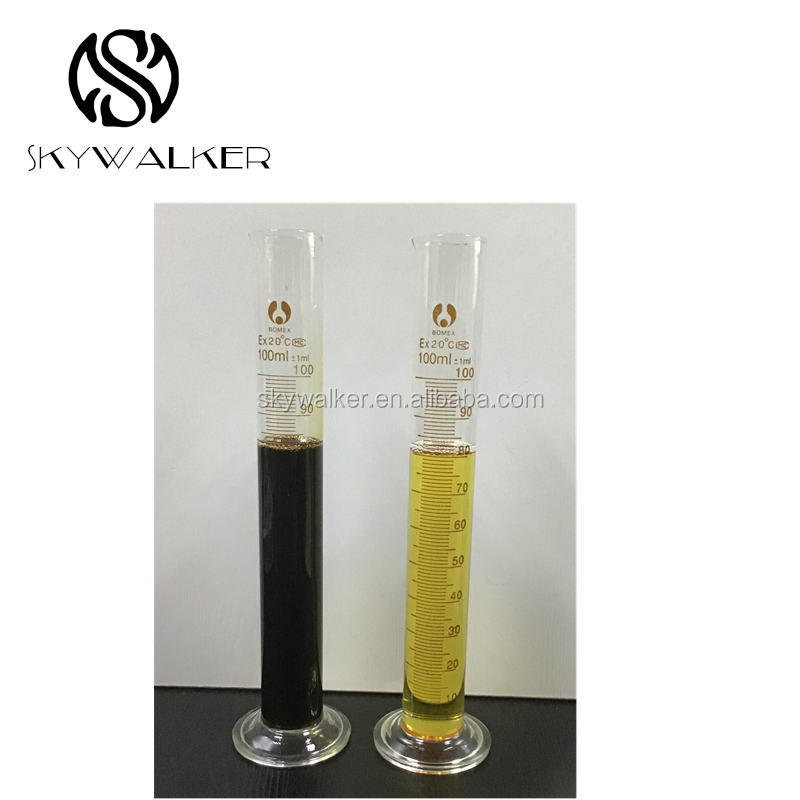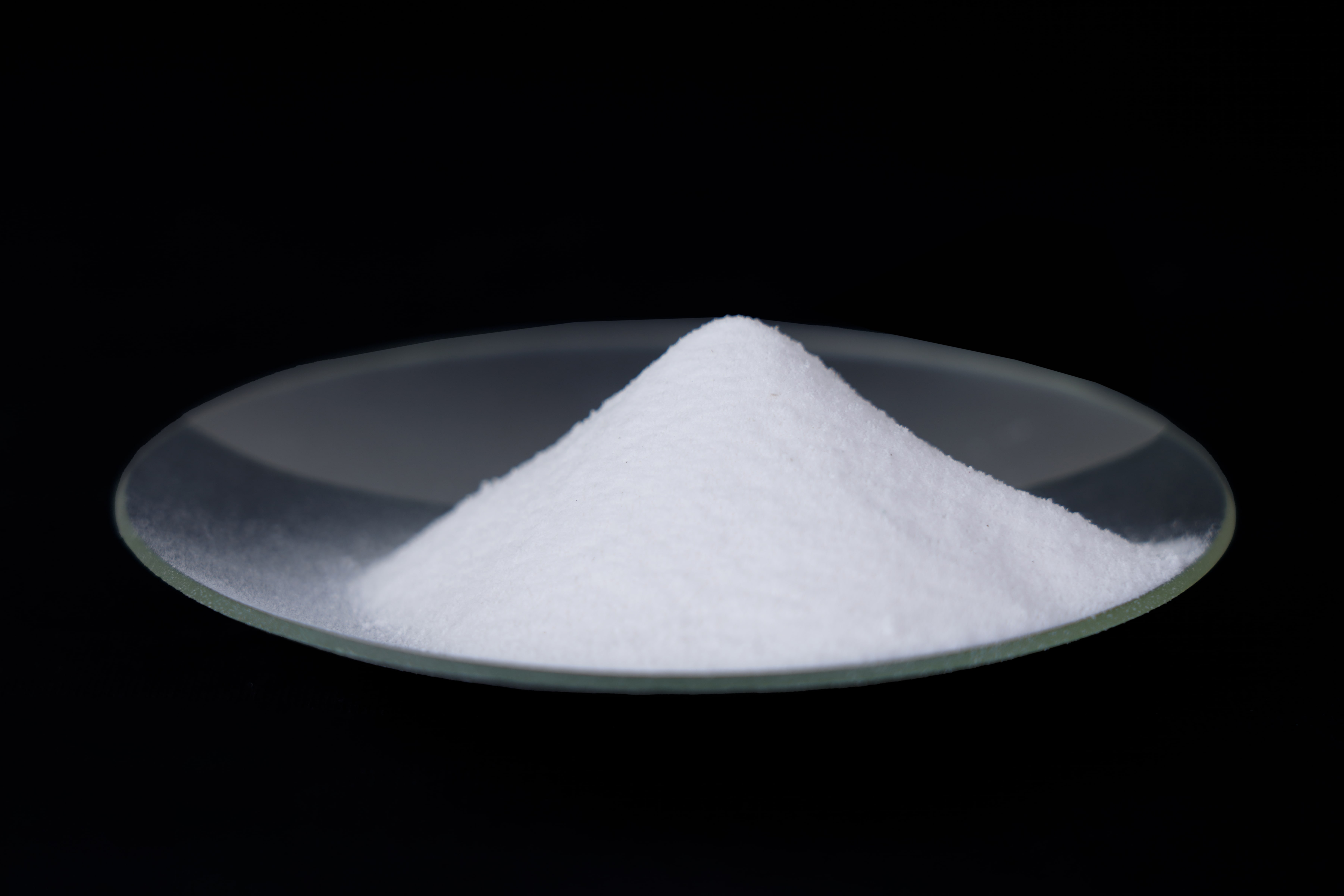
Commencingsiliceous powder is a highly effective separating agent extensively adopted in various processing tasks, particularly within drink processing. Generated from the fossilized remains of diatoms, it exhibits a unique complex texture that grants fine screening. This material operates by creating a light porous film on a screening device, enclosing minute residues while letting the fluid through. Opting for diatomaceous earth the ideal classification of sedimentary filtration aid is crucial for top productivity.
Exploiting Porous Sediment Substance for Straining
Silica-rich powder, composed of the fossilized remains of microscopic algae called diatoms, presents a uncommon method for cleansing various materials. Its structure, a fine network of quartz-derived shells, provides an incredibly substantial surface area. This permits for highly effective removal of solids from liquids. Engagements range from hydrous cleaning and drink manufacture to pool refining and even plantation techniques. Positives include its natural origin, monetary advantage compared to diverse synthetic alternatives, and its capability to completely capture a all-encompassing array of pollutants.
- Confers superior component removal.
- Remains a sustainable choice.
- Compatible for numerous industries.
Upgraded Bleaching Material: Elements and Purposes
Processed bleaching matrix is a variety of natural illite that has undergone unique refinement to boost its absorptive competences. This method typically involves mechanical treatment, resulting in a intensified formation with a considerable exterior. Consequently, it exhibits premium capacity to withdraw contaminants from a multipurpose scope of phases, finding noteworthy duties in the whitening of animal fats, greases, and other environmental materials. Also, its safe trait and affordability contribute to its enhancing popularity in various markets.
Diatomite in Comparison with Various Filter Agents
Choosing the ideal clarification component for a specific process can be difficult. While bentonite and other replacements exist, diatomite frequently presents a convincing case for its predominance. Compared to these counterparts, diatomite regularly offers augmented clarity and a more significant pace of separating particles. However, this optimal choice ultimately rests on determinants such as cost, usage requirements, and preferred deliverable rank.
Scientific Principles of Diatomite Filtration
Microshell earth or recognized as mineralized sediment filtration or filtering leverages the unique special structure of such microscopic minuscule algae fossils. These aforementioned diatoms, upon post- death, form assemble a sedimentary natural rock layer composed put together of intricately meticulously porous mesh-like silica silicate shells. This named porous meshed network fabric provides an incredibly or exceptionally large capacity for seizing particulate minute matter detritus from amid liquids aqueous phases, achieving delivering highly powerful meticulous filtration refining.
Amplifying Purification Performance Through Activated Clay
Augmenting such lightening technique through stimulated earth presents a promising tool for elevating output. Such sustainable material, originating in ground, possesses extraordinary holding qualities that enable it to powerfully decontaminate stained compounds from garments, thereby diminishing application of harsh artificial formulas and enhancing a environmentally friendly outcome.
Studying Filter Aid Quality Types
Identifying the fitting silica powder grade is crucial for successful cleansing processes. Microporous powder grades are classified by their granular measurement, traditionally expressed in particulate dimensions. Finer grades, like FF or Filter-X, offer noteworthy transparency and are preferable for fine liquids, while heavier grades, such as Perlite or Celite 500, deliver a escalated filtrate velocity for less operations. Understanding these differences will support you to optimize your screening returns and cut down fees linked with the strategy.
Ethical Sourcing of Porous Sediment Earth
The increasing demand for biogenic silica earth necessitates a focus on green sourcing policies. Traditional extraction often incorporates significant terrain disturbance and can influence proximal ecosystems. Currently, forward-thinking producers are pursuing alternatives, such as reclamation of used sites, ensuring curtailed disruption and protecting ecological habitats. Furthermore, clarity in the system is turning into crucial, allowing clients to decide informed conclusions and promote environmentally safe procedures. Consequently, responsible management of fossilized algae earth holdings is vital for lasting availability and managed environmental ramifications.
- Minimized land damage.
- Revitalization of procurement sites.
- Advanced traceability in the chain.
Treated Lightening Substance: A Research Understanding
Analyzing a chemical perspective, processed whitening material represents a distinctive class of silicate minerals. At first, illite sediment is biochemically modified via alteration – typically involving reductive operation – to dramatically amplify its binding features. These conditioning creates a broad interface with a significant number of electron-rich positions, facilitating the uptake of pigmented impurities from liquids. The interaction principally involves intermolecular connections and non-covalent effects, producing a clearer performance.