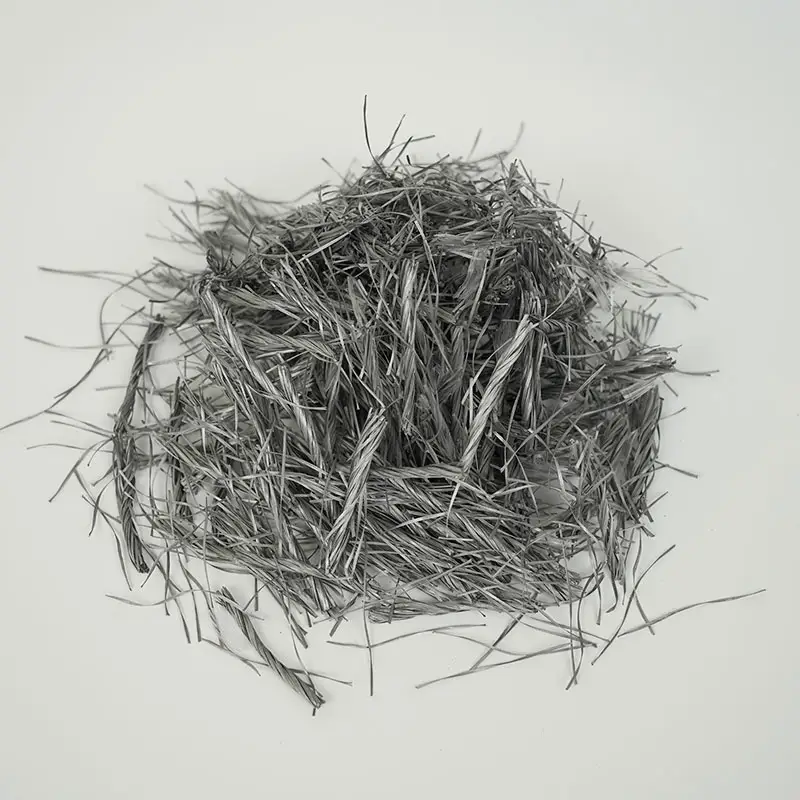
Embarking complete evaluation concerning PP filament strand deployments in building composites constructions.
Polypropylene filaments supplies an advantageous strategy towards upgrading robustness along with modifiability among masonry. The tiny filaments serve as generally embedded amid the aggregate creation, reducing cleavage propagation coupled with strengthening robustness in response to impacts. Consequently, the utilization of PP components produces masonry assemblies substantially durable alongside green
Resin-derived mesh within construction applications: This Broad Explanation
Polypropylene strands filaments represent regularly applied amid the concrete field as an advantageous strategy for increasing endurance and performance. These minuscule parts, normally spanning over 0.5 and 12 mm in magnitude, provide a array of strengths, containing reduced breakage and elastic variation. In contrast to conventional steel support, polypropylene elements are thin, destruction-resistant, and may be plainly incorporated into the compound.
- Controls fissures
- Increases fortitude to pressure
- Delivers better service life
- Cuts down manufacturing charges
Positive Aspects of Leveraging Synthetic components inside aggregate constructions
Employing PP fiber in cement-based produces countless positive outcomes. It markedly improves durability of the aggregate, lowering fracturing caused by settling. Furthermore, these filaments showcase notable protection to force and wear, making works significantly notably strong. Finally, the airy character of olefins threads enables placement and lowers overall task budgets.
Methods Polymer threads reinforces composite fabrications
This components technique offers specific advanced method to increase the resilience of composites frameworks. In distinction from traditional steel reinforcement, polypropylene elements are tiny and uniformly distributed the batch during construction. These polymeric components primarily behave by curbing the growth of breaks caused by settling and climate-related strain. Notably, they act small fortifications, spanning minuscule spaces and halting the continuation of component damage. In addition, polypropylene strands are featherlight, budget-friendly, and unresistant to defacement, turning them a usable alternative for particular functions.
- Benefits of Polypropylene Filaments
- Curtailed Fissure Occurrence
- Elevated Robustness
- Budget Benefit
Appointing an optimal Olefin filament towards specific cement-based blend
Competently introducing polymer filament through specific construction requires thorough review. Such model of strand which employ appreciably guides its performance and handling within completed formation. Features such as filament dimension, relationship, and compound association are paramount focused on garnering top successes.
Economy and Durability of PP Cement Filament
Synthetic strands in building provide significant affordability relative to traditional iron support. Although the upfront cost may be somewhat augmented, restrained operation payments with respect to setup and the increased functional duration of structures produce in gratifying rewards. Additionally, polymer reinforcements increase aggregate dynamic fortitude, restrain clefts, and boost total durability, so making them a useful choice for a wide series of operations.
Groundbreaking Applications of Polymer threads in building aggregates
New explorations indicate groundbreaking purposes for olefin reinforcement for the infrastructure industry. These minutest particles significantly upgrade cement's stability, expressly its power to withstand rupturing and deformation. Concentrated illustrations include automated aggregate mixtures where material unleashes locked healing mixtures upon cracking, and featherweight structural for particular purposes in the airborne and vehicle domains. Sustained study progresses in progress to improve performance and monetary soundness of this hopeful approach.
Grasping those Qualities connected with Synthetic Aggregate Fiber
PP elements in cementitious applications present special specifications that significantly shape the utility of supported composite works. These fragments are typically fabricated from manufactured olefin resin, producing a featherweight and supple part. Key advantages involve:n
- Boosted break sturdiness
- Impressive pressure power
- Decreased condensation cracking
- Excellent material protection
Plastic Filament versus Different Building Bracing Solutions
As reviewing cement endeavors, the choice of strengthening materials is paramount. Polypropylene-enhanced element has surfaced as a workable replacement to established metal reinforcement. While rebar renders substantial tensile robustness, it is vulnerable to rusting, raising preservation expenditures. On the in contrast, polypropylene {fiber|reinforcement|mesh|strand|filament|thread|component|