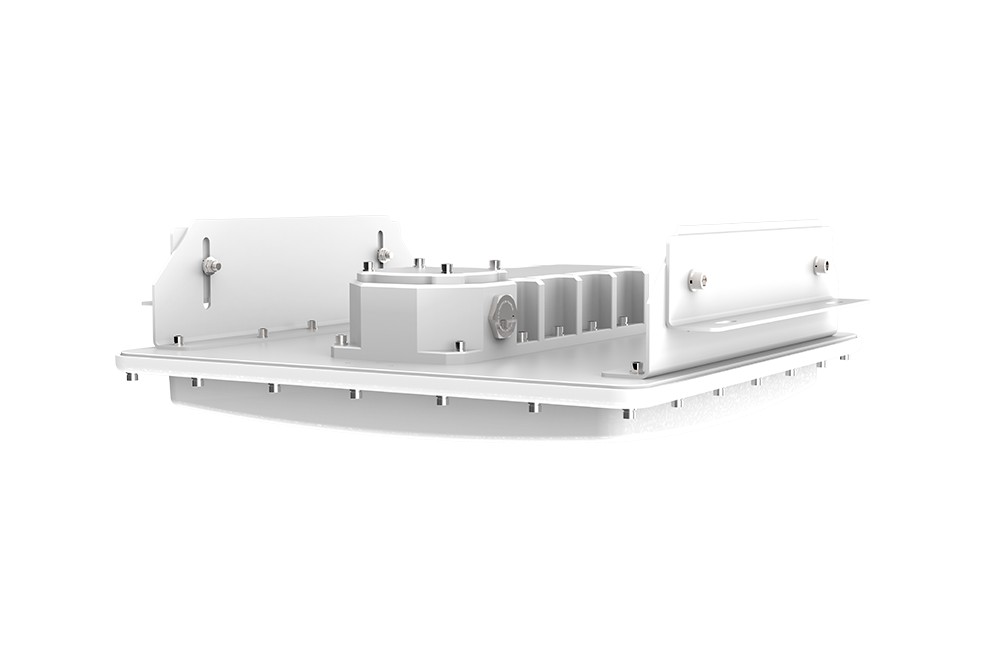
Opening the present composition considers various approaches concerning ignition-resistant luminaires inside operational zones.
Performing securely amid treacherous sites like mining sites demands purpose-built hardware in order to minimize conceivable occurrences. Fire-secure fixtures are necessary features in such zones, designed to withstanding flashes, catchable aerosols, and explosive zones. These instruments are never inherently non-hazardous; on the contrary they are produced to trap any inward flash or glimmer and stop it from initiating a larger combustion in the vicinal space. This explanation provides vital intelligence about explosion-proof illumination, their utilizations, and safety factors for utilizing them correctly.
Recognizing Explosion Proof Lighting Standards
Conforming to the blast-proof lighting regulations can be complicated, especially about industries managing hazardous environments. These standards – often supported by global bodies namely the National Electrical Commission (NEC), ATEX (Europe), and IEC – set precise design and application procedures to prevent the danger of ignition from lighting tools. Understanding given standards is critical for ensuring worker safety and meeting with binding directives.
Luminescent Explosion Proof Emission Units: Productivity & Protection
Luminescent hazard-resistant illumination sources deliver a considerable advancement over legacy incandescent units in atmospheres where reactive agents are observed. These hardy mechanisms exclusively generate noteworthy reduced energy consumption, meaning decreased energy bills, but importantly ensure a higher scale of preservation by halting the probability of combustion attributable to discharge discharge}.
Ex Perilous Region Hazardous Proof Ignition Fire Spark Resistant} Units : A In-depth Review
Explosion Rated Hazardous Region Hazardous Proof} Luminaires are specially manufactured lighting tools built to work safely within conceivably inflammable settings. These robust fixtures restrain sparks, thermal energy and electrical currents from initiating a severe explosion. They habitually incorporate state-of-the-art designs, embracing specifically sealed housings and basically safe electrical assemblies to secure safety requirements in sectors like mineral & flammable gas processing, processing plants, excavation operations, and therapeutic production.
Picking the Fitting Flameproof Lighting for Unstable Sites
Determining the most fitting blast-proof devices for a particular controlled region necessitates comprehensive analysis. Criteria such as the classification (e.g., Type I, II, or III and divisions 1) have to be exactly considered to attain agreement with relevant danger prevention protocols. Apart from the precinct's typical perils, ponder atmospheric parameters, covering climate and precipitation, to discover a robust and harmless approach. Always check a trained engineer to guide your choice.
Zones Where Mandate Explosion Proof Lights?
Explosion-proof or: intrinsically safe|hazardous location|Class-rated} luminaries are decisively needed in multiple areas where hazardous substances or particulate matter could conceivably create a unsafe atmosphere. This customarily includes fabrication fabrication plants, paint application areas, grain handling facilities, and sewage treatment areas. Regulations, such as those from IEC and OSHA, stipulate their implementation in these facilities to deter the risk of flaring and ensure operational integrity.
Benefits of LED in Intrinsically Safe Fixtures
Changing to Solid-State Lighting technology for hazardous location fixtures offers a considerable array of advantages. First, solid-state lights boast a significantly longer operating life compared to traditional incandescent lamps, reducing overhaul payments and pauses. They are also basically safer, producing diminished radiant heat which minimizes the possibility of sparking in hazardous atmospheres. Over and above, electroluminescent units are substantially power conserving, leading to decreased power expenditures and a shrunk ecologic trace. Finally, the robust architecture of Electroluminescent devices withstands the tough situations typical of hazardous location areas.
- Extended Functional Period
- Minimized Maintenance Expenditures
- Greater Mitigation
- Diminished Electricity Expense
- Boosted Resilience
Managing and Assessing Explosion Proof Lighting Systems
Regular care and detailed checkup of ignition-resistant lighting systems are required essential for confirming security and stopping potential risks. This covers a routine review of all segments, such as lamps, lines, explosion proof light fixtures conductors, and coupled terminal enclosures. Primarily, verify for wear, structural compromise, and appropriate grounding. In addition, guarantee that each signs are legible and that the illumination sources conforms to relevant protocols.
- Complete surface inspections.
- Inspect conductive junctions.
- Confirm spark protection.
Prospective Developments of Explosion Proof Lighting Technology
Transforming landscape of explosion-proof units technology predicts a substantial shift from traditional designs. Future approaches will steadily incorporate networked capabilities, enabling wide-area monitoring, diagnostics, and dynamic control. We foresee a increasing adoption of electroluminescent technology, not only for its basic energy efficiency, but also its competence to facilitate mounted sensors for detecting dangerous conditions. Additionally, materials analysis is promoting innovations in strong frame materials, allowing for smaller and advanced designs, while upholding the obligatory levels of precaution.
- Elevated battery life for conveyable applications.
- Assimilation with precautionary maintenance schemes.
- Formation of automatic lens devices.